Students at my yoga classes in Munich often ask me: "Is KAP like Kundalini Yoga? Is it a breathwork class?" The names overlap, and all three can create strong sensations, so the confusion makes sense. Here is how they differ.
The short comparison
| KAP (Kundalini Activation Process) | Kundalini Yoga | Breathwork | |
|---|---|---|---|
| What you do | Lie down, eyes closed, and receive | Postures (kriyas), breathing, chanting, meditation | Breathe in a set pattern, usually lying down |
| Effort | None | Moderate to high | Moderate, can be intense |
| Role of the teacher | Transmits energy, mostly through light touch | Guides the sequence | Guides the breathing rhythm and music |
| Typical length | About 90 minutes | 60-90 minutes | 60-120 minutes |
| Touch | Yes, light (you can opt out) | Rarely | Sometimes |
| Can you do it alone? | No, it's received from a facilitator | Yes, after learning | Yes, after learning |
| Teacher training | KAP Academy accreditation | Kundalini Yoga teacher training | Varies widely by school |
What is KAP?
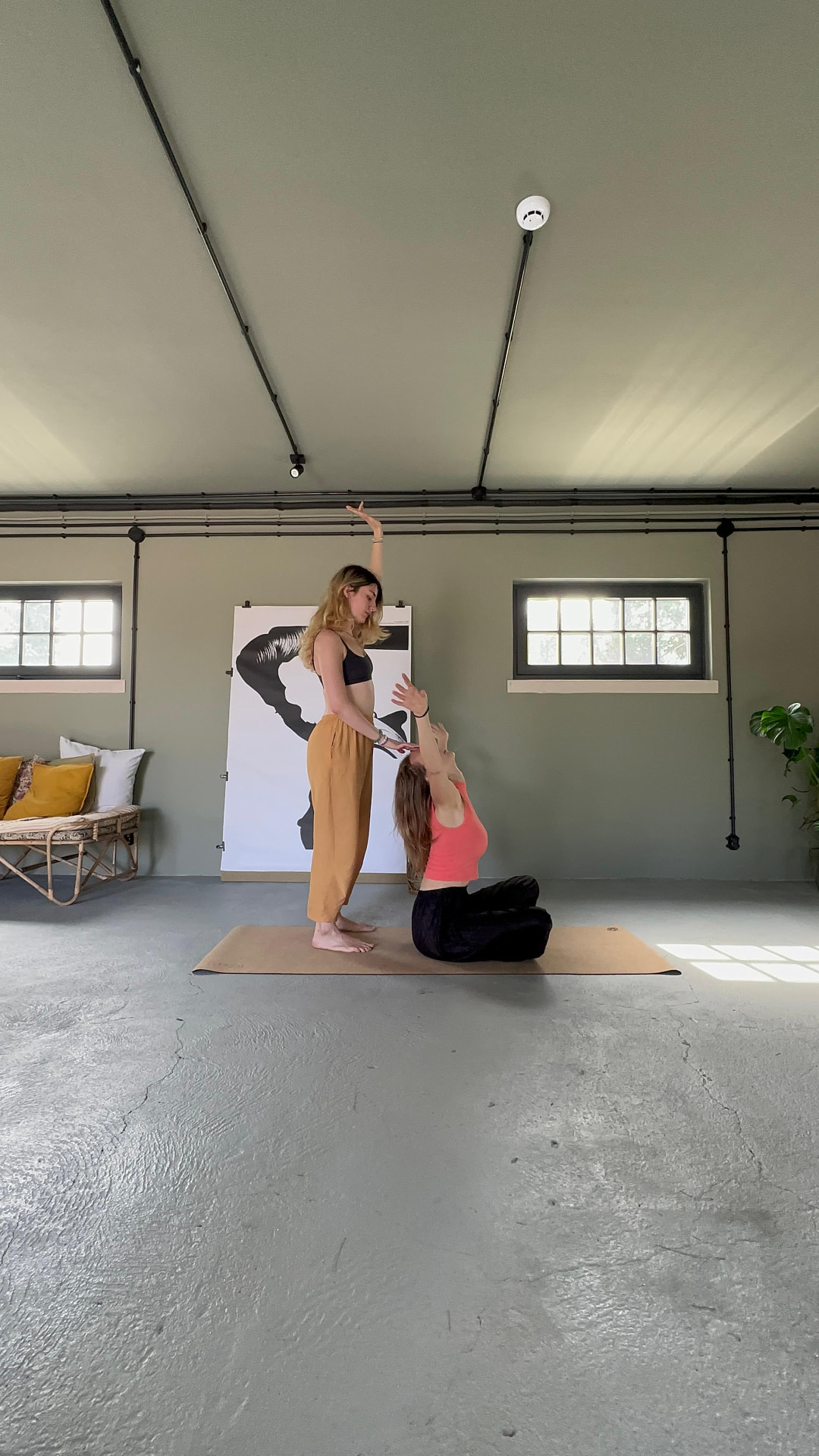
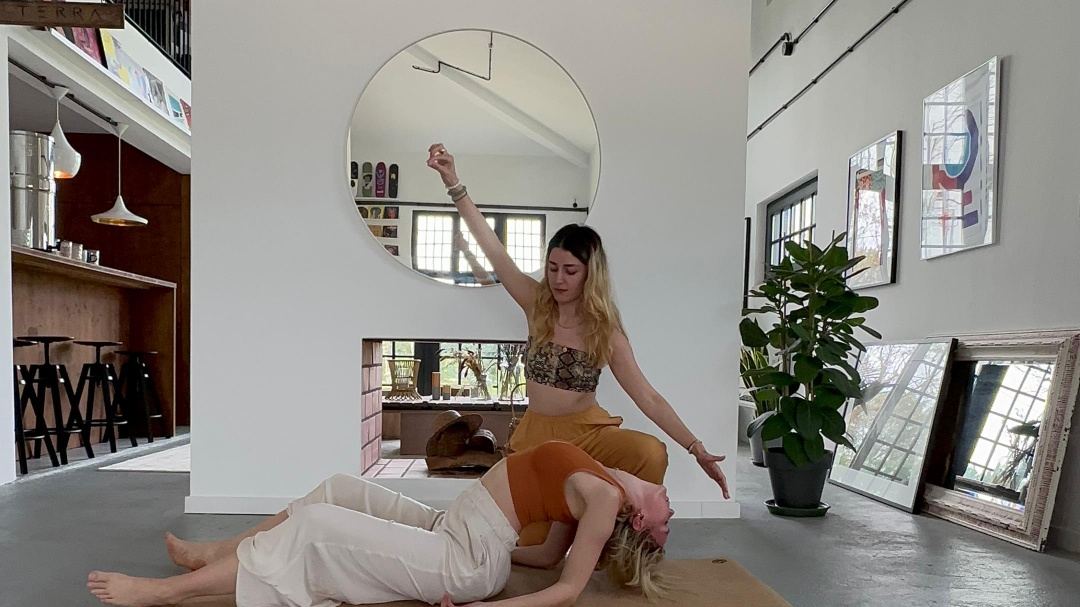
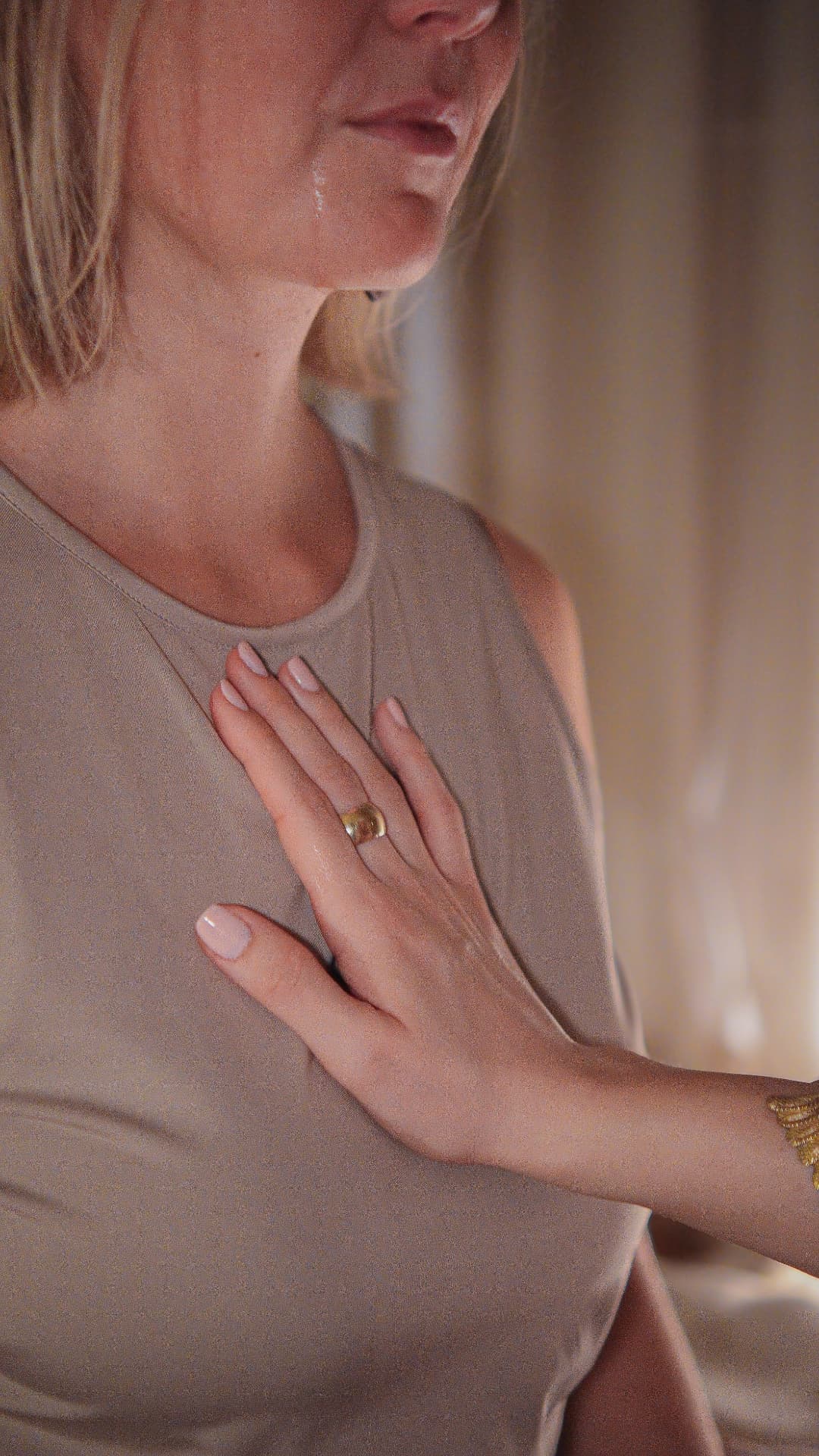
The Kundalini Activation Process is a guided group practice. You lie on a mat with music playing while an accredited facilitator moves through the room. Through light touch or hand movements, the facilitator transmits energy. People often describe tingling, spontaneous movement, emotion or deep rest.
The key point: you don't do anything. There is no technique to learn and no breathing pattern to follow. That makes KAP accessible for people who find meditation hard, or who are tired of "trying".
What is Kundalini Yoga?
Kundalini Yoga is a yoga style built on kriyas: fixed sets of postures, breathing exercises, chanting (mantra) and meditation. Sessions often include fast breathing such as "breath of fire", held postures and repeated movements. It's an active, disciplined practice that you can learn and do at home.
What is breathwork?
"Breathwork" covers many methods. The intense ones, such as conscious connected breathing, ask you to breathe deeply and continuously, without pauses, for a long time. This can bring tingling, cramping in the hands, strong emotions or altered states. Gentler breathwork, like slow breathing to relax, is very different and much calmer.
Which one is right for you?
- Choose KAP if you want to rest and receive, are curious about energy experiences, or find active practices hard to keep up.
- Choose Kundalini Yoga if you want a daily practice you can do yourself and enjoy movement, chanting and discipline.
- Choose breathwork if you want an active tool you can use on your own, and you're comfortable with intense physical sensations.
Many people combine them. I sometimes include a few minutes of gentle breathing at the start of a KAP session to help people arrive.
Safety: what they have in common
All three can bring up strong sensations and emotions. People with a history of psychosis or mania, and people in late pregnancy, should avoid KAP and intense breathwork. Intense breathwork is also not recommended for people with epilepsy, heart conditions or high blood pressure. Read more in Is KAP safe?
None of these practices is a medical or psychological treatment.