People often message me before their first Kundalini Activation session with the same question: is it safe? It's a good question, and you deserve a straight answer rather than a promise that it is "100% safe for everyone".
I'm Sena, a KAP Academy accredited facilitator. I hold KAP sessions in English in Munich and Augsburg. Here is what I tell everyone before they book.
What actually happens in a KAP session?
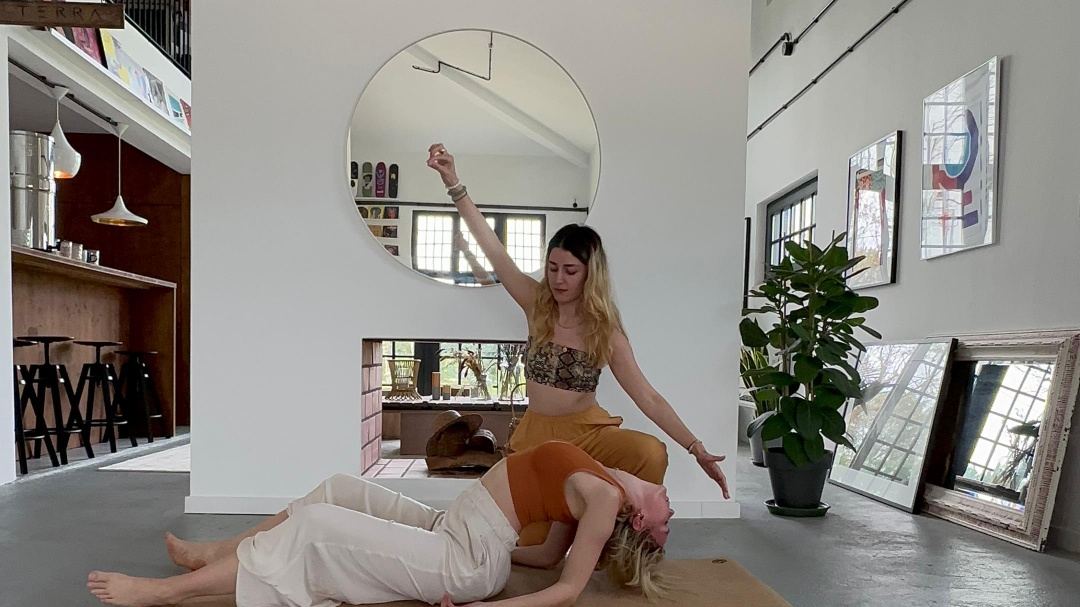
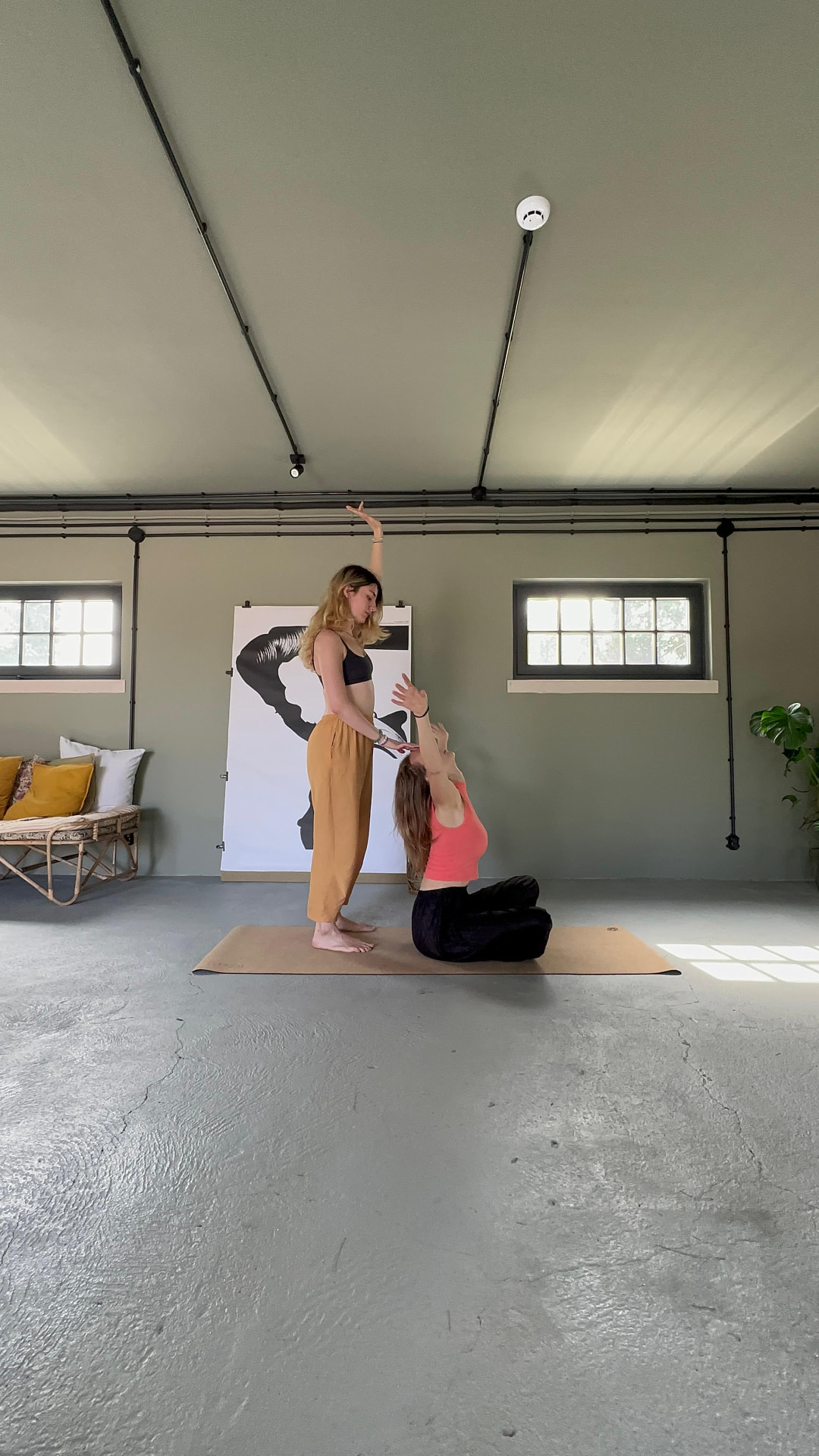
You lie on a mat with your eyes closed while music plays. The facilitator moves around the room and transmits energy, mostly through light touch on the hands, feet, head or shoulders, or with hand movements a little above the body. A group session usually lasts around 90 minutes, with about an hour of activation and time to rest and integrate afterwards.
You stay in control the whole time. You can open your eyes, sit up, or ask for no touch at any point.
What do people feel?
Experiences vary a lot. Some people feel very little. Others notice:
- warmth, tingling or waves of energy
- spontaneous movement: swaying, shaking, hand positions (mudras)
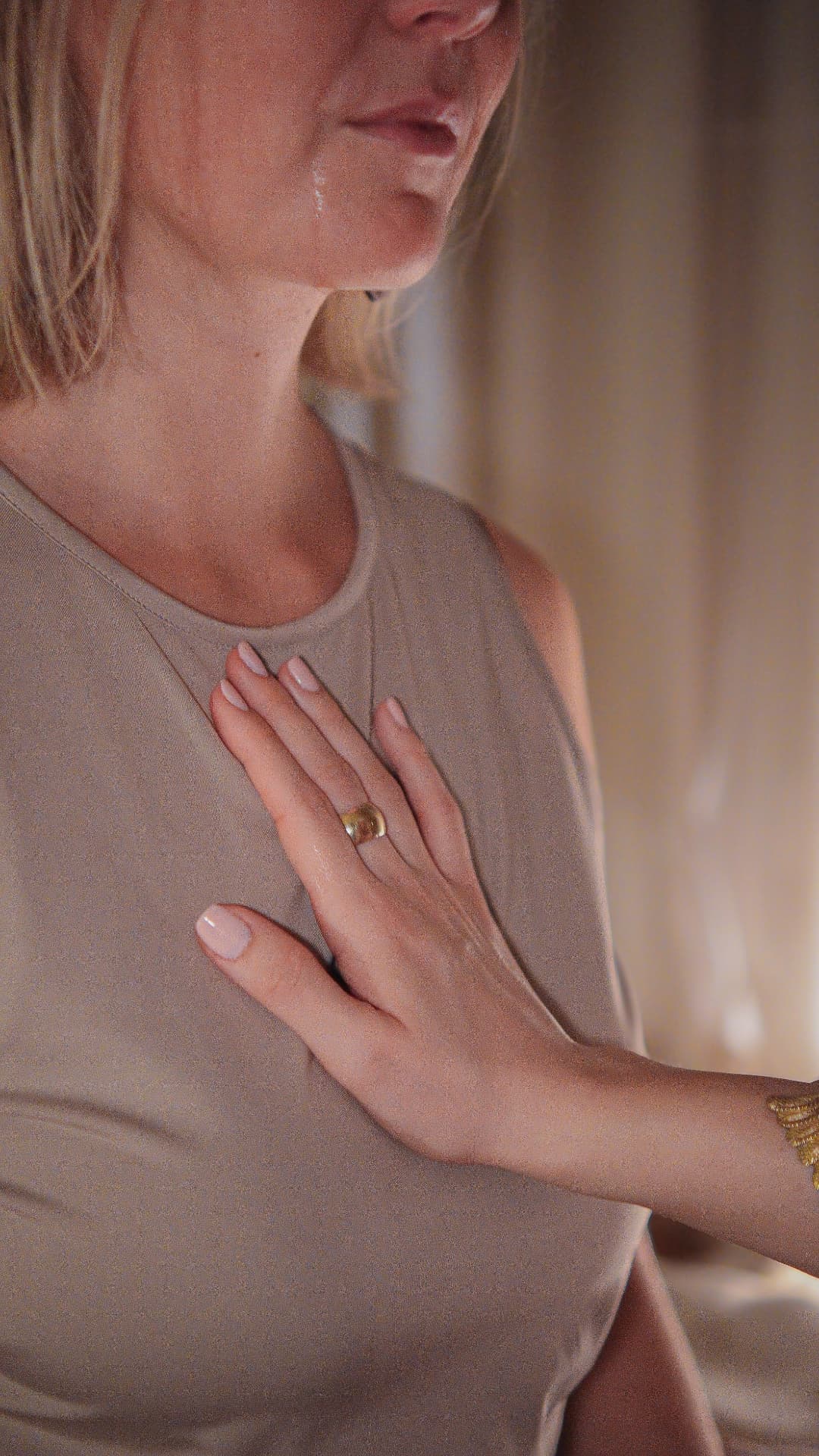
- laughing, crying or sighing
- deep relaxation, or a dream-like state
- strong emotions coming up and passing
These reactions are a normal part of the practice. They can still be surprising the first time. That's one reason it matters to come to a session held by a trained facilitator, in a calm space, rather than trying intense energy practices alone.
Who should not attend KAP?
KAP Academy and its facilitators advise against KAP for people who:
- have a history of psychosis, schizophrenia, mania or delusions
- are in the third trimester of pregnancy
Please talk to me before booking, and check with your doctor, if you:
- are pregnant (any stage)
- have epilepsy or a seizure history
- have a serious heart condition or have had recent surgery
- are currently in treatment for a mental health condition or are going through acute crisis
- take strong psychiatric medication
This isn't about fear. A session can bring up strong feelings, and some people are better supported by their doctor or therapist first.
Is there scientific evidence for KAP?
No. As of 2026 there are no peer-reviewed clinical studies on the Kundalini Activation Process. Everything you read about KAP benefits, including on my own site, comes from participants' experiences.
That's why I describe KAP as a spiritual and relaxation practice, not a therapy. It does not treat anxiety, depression, trauma or any other condition. If you are dealing with one of these, KAP can sit alongside proper care, but never replace it.
How to make your first session feel safe
- Eat lightly one or two hours before.
- Wear comfortable clothes and bring socks and a water bottle.
- Tell your facilitator about anything relevant: pregnancy, injuries, whether you prefer no touch.
- Arrive with no expectations. "Nothing happened" is a valid experience.
- Plan a quiet evening. Many people feel tired or emotional afterwards. Drink water, eat something grounding, and avoid alcohol that day.
What if something feels too much during a session?
Open your eyes, sit up, put your hands on the floor and breathe slowly. Signal to the facilitator; I always check in with anyone who stops. Intense moments usually pass within minutes. If something keeps troubling you in the days afterwards, talk to me, and to your doctor or therapist if it's affecting your daily life.
How to choose a KAP facilitator
- Check they are listed in the KAP Academy facilitator directory. Here is my profile.
- They should ask about your health before your first session.
- They should explain consent and touch clearly.
- Be careful with anyone who promises healing or a cure.