What meditation is
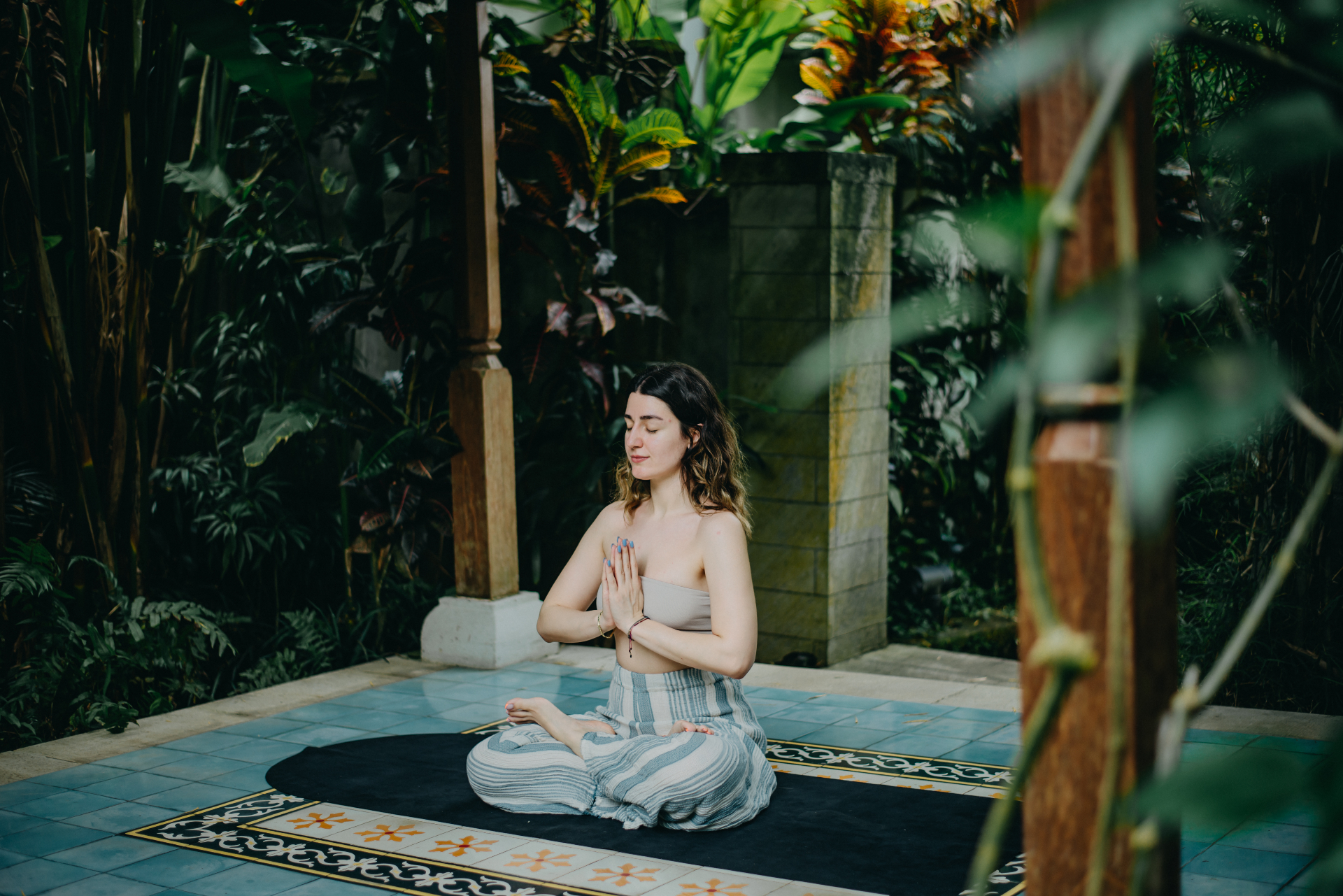
Meditation is training your attention. You sit or lie down and rest your focus on something: the breath, a word, the feeling of the body. When the mind wanders, you notice, and you come back. Again and again. Over time, this builds calm and focus.
What sound healing is
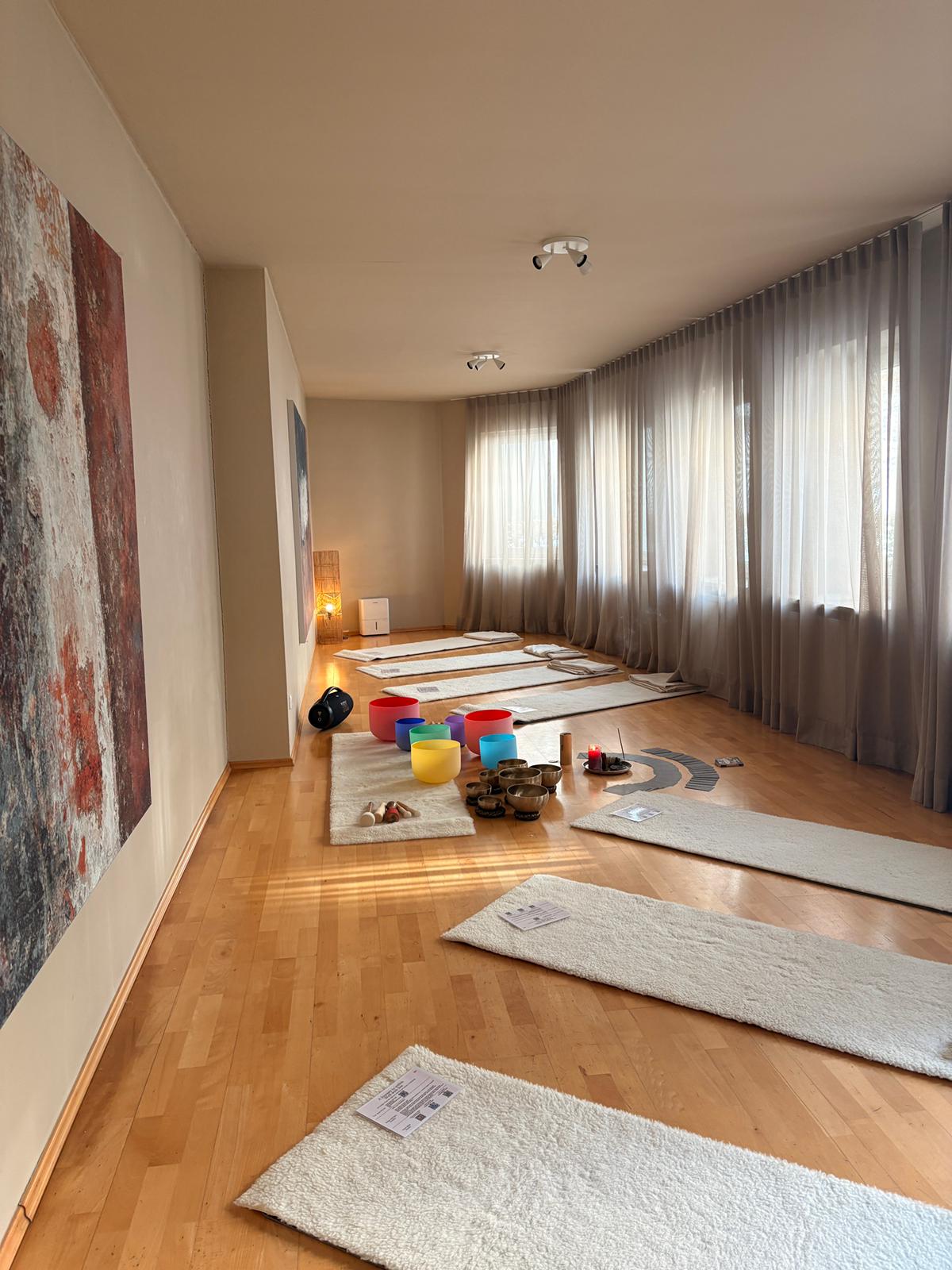
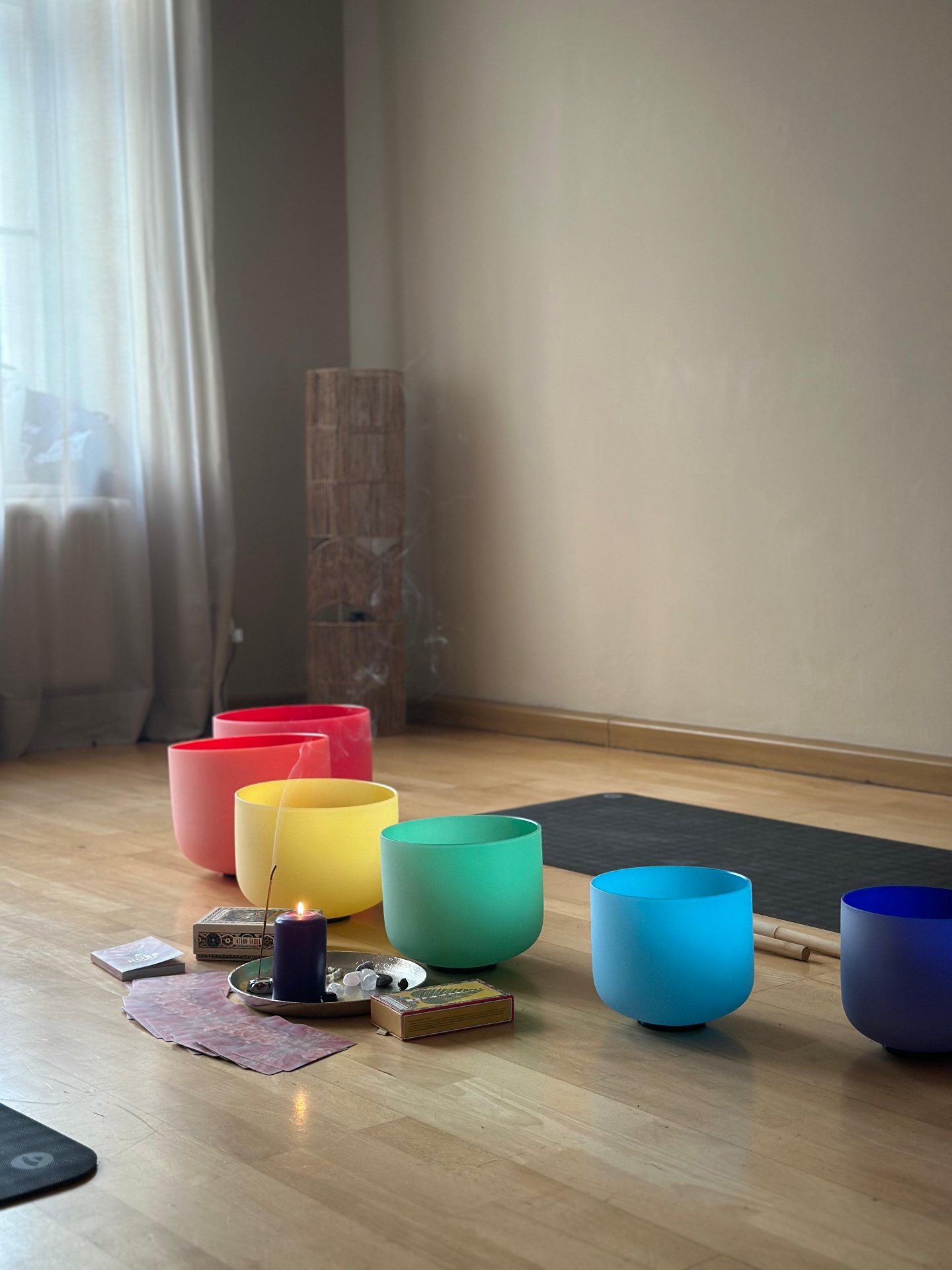
In a sound bath, you lie on a mat while I play crystal and Tibetan singing bowls, chimes and shells. The sound gives the mind something soft to rest on, so it slows down without effort. There's nothing to do and nothing to get right.
The differences
| Meditation | Sound healing | |
|---|---|---|
| Your role | Active: you guide your attention | Receptive: you listen |
| Position | Usually sitting | Lying down |
| Needs practice? | Yes, it gets easier with time | No, it works from the first session |
| Where | Anywhere, alone or in a group | With a facilitator and instruments |
| Good for | A daily habit, focus | Deep rest, a reset |
Which one is for you?
Sound healing might suit you if:
- Your mind is busy and sitting still feels hard
- You need deep rest after a stressful time
- You've tried meditation apps and given up
Meditation might suit you if:
- You want something you can use every day, for free
- You like structure and want to train focus
- You'd like a tool for your desk or your commute
Why not both?
They belong together. Every sound bath I hold opens with a short meditation circle. The meditation helps you arrive, and the sound helps you go deeper. Many people who struggled to meditate alone find it easier after a few sound baths, because their body has learned what letting go feels like.
FAQ
Can sound healing replace meditation? They support each other. Sound healing is deep rest. Meditation is a skill you build.
Do you guide meditation for groups? Yes. I guide meditation for teams and companies in Munich, in person or online.
Whichever you choose, you're already on your way home to yourself.
With love, Sena 🤍